Planning Your Home Kitchen Renovation Effectively
Renovating a kitchen is an exciting journey. It’s a chance to breathe new life into the heart of your home, making it more functional, beautiful, and tailored to your lifestyle. But, as thrilling as it is, a kitchen renovation can also feel overwhelming if you don’t plan carefully. I’ve learned that the key to a smooth and successful kitchen renovation lies in thoughtful planning. Let’s walk through how to plan your kitchen renovation effectively, so you can enjoy the process and the results.
Why Kitchen Renovation Planning Matters
When I first started thinking about renovating my kitchen, I quickly realized that jumping in without a plan was a recipe for stress. Planning your kitchen renovation is about more than just picking out pretty cabinets and countertops. It’s about creating a space that works for you every day.
Good planning helps you:
Avoid costly mistakes by thinking through every detail before work begins.
Stay on budget by setting clear priorities and realistic expectations.
Save time by having a clear roadmap for the project.
Reduce stress by knowing what to expect and when.
By taking the time to plan, you’re setting yourself up for a renovation that feels manageable and rewarding. It’s like building a strong foundation before you start constructing a house.
Steps to Effective Kitchen Renovation Planning
Planning your kitchen renovation can be broken down into manageable steps. Here’s a simple guide to help you get started:
1. Define Your Goals and Needs
Start by asking yourself what you want from your new kitchen. Do you need more storage? Better lighting? A more open layout? Maybe you want to create a space that’s perfect for entertaining or one that’s kid-friendly.
Write down your must-haves and nice-to-haves. This list will guide every decision you make.
2. Assess Your Current Kitchen
Take a good look at your existing kitchen. What works well? What doesn’t? Consider the layout, storage, appliances, and lighting. This assessment will help you understand what needs to change and what can stay.
3. Gather Inspiration
Look for ideas in magazines, online galleries, and showrooms. Save photos of kitchens you love and note what appeals to you about each one. This will help you communicate your vision clearly to designers or contractors.
4. Plan Your Layout
The kitchen layout is crucial for functionality. Think about the classic work triangle - the relationship between the sink, stove, and refrigerator. A well-planned layout makes cooking and cleaning easier.
5. Choose Materials and Finishes
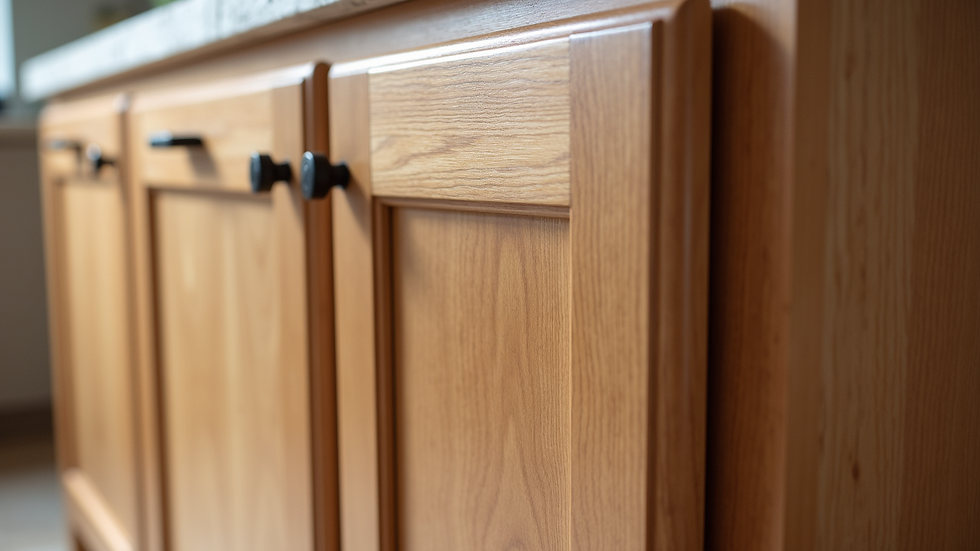
Select cabinets, countertops, flooring, and fixtures that fit your style and budget. Remember, durability matters in a kitchen, so choose materials that can stand up to daily use.
6. Hire Professionals
If you’re not doing the work yourself, find reliable contractors and designers. Check reviews, ask for references, and get multiple quotes. A good team will make your renovation smoother.
7. Create a Timeline
Work with your contractor to develop a realistic schedule. Knowing when each phase will happen helps you plan your life around the renovation.
8. Prepare for the Renovation
Clear out your kitchen, set up a temporary cooking area, and communicate with your family about the changes ahead. Being prepared will reduce frustration during the renovation.

What is a Realistic Budget for a Kitchen Remodel?
Budgeting is often the most challenging part of kitchen renovation planning. It’s important to be realistic about what you can afford and where your money will go.
Understanding Costs
A kitchen remodel can vary widely in cost depending on the size of your kitchen, the materials you choose, and the extent of the renovation. On average, homeowners might spend anywhere from $15,000 to $50,000 or more.
Breaking Down the Budget
Here’s a rough breakdown of where your money might go:
Cabinets and hardware: 30-40%
Countertops: 10-15%
Appliances: 10-15%
Flooring: 7-10%
Lighting and plumbing: 5-10%
Labor: 20-30%
Miscellaneous (permits, design fees): 5-10%
Tips for Staying on Budget
Prioritize your must-haves and be flexible on the rest.
Consider refinishing or repainting cabinets instead of replacing them.
Shop around for materials and appliances.
Set aside a contingency fund of about 10-15% for unexpected expenses.
By setting a clear budget and sticking to it, you’ll avoid surprises and keep your renovation on track.
Choosing the Right Style and Design for Your Kitchen
Your kitchen should reflect your personality and lifestyle. Whether you prefer a sleek modern look or a cozy farmhouse feel, the design should make you feel at home.
Consider Your Home’s Style
Your kitchen should complement the rest of your home. If you have a traditional house, a classic kitchen might feel more natural. For a contemporary home, clean lines and minimalist design could be the way to go.
Think About Functionality
Design isn’t just about looks. Think about how you use your kitchen daily. Do you need a breakfast nook? More counter space? A larger island? Make sure your design supports your habits.
Mix and Match Materials
Don’t be afraid to combine different textures and finishes. For example, pairing wood cabinets with stone countertops can create a warm and inviting space.
Lighting Matters
Good lighting can transform your kitchen. Include a mix of task lighting, ambient lighting, and accent lighting to create a balanced and welcoming atmosphere.

Tips for a Smooth Renovation Process
Even with the best planning, renovations can be unpredictable. Here are some tips to help keep things running smoothly:
Communicate regularly with your contractor and designer.
Stay flexible and be ready to make decisions quickly.
Keep your temporary kitchen organized to reduce stress.
Document everything - keep receipts, contracts, and plans in one place.
Take care of yourself - renovations can be tiring, so make sure to rest and recharge.
Making Your Dream Kitchen a Reality
Planning your kitchen renovation effectively is the first step toward creating a space you’ll love for years to come. Remember, this is your home, and your kitchen should be a reflection of your needs and style.
If you’re ready to start your journey, consider reaching out to professionals who understand the unique needs of Winnipeg homeowners. They can help you navigate the process with ease and confidence.
For those looking for expert guidance, home kitchen renovations offer personalized designs and competitive pricing that can turn your kitchen dreams into reality. With the right team by your side, your renovation can be an exciting and rewarding experience.
Take your time, plan carefully, and soon you’ll be enjoying a kitchen that’s not just beautiful but truly yours. Happy renovating!


Comments